Essential Demolition Services for Safe Site Preparation
Demolition is often seen as a destructive process, but it plays a crucial role in site preparation for construction projects. Whether you are planning to build a new structure, renovate an existing one, or clear land for development, understanding the essential demolition services available can help ensure a safe and efficient process. This blog post will explore the various types of demolition services, their importance, and how they contribute to safe site preparation.

Understanding Demolition Services
Demolition services encompass a range of activities aimed at safely dismantling structures and clearing sites. These services can be broadly categorized into two types: controlled demolition and non-controlled demolition.
Controlled Demolition
Controlled demolition involves carefully planned methods to take down structures while minimizing risks to surrounding areas. This type of demolition is often used for larger buildings or those located in densely populated areas. Techniques include:
Implosion: This method uses explosives to collapse a building inward, reducing debris and noise. It requires extensive planning and safety measures.
Selective Demolition: This approach focuses on removing specific parts of a structure, such as walls or floors, while preserving other areas. It is often used in renovation projects.
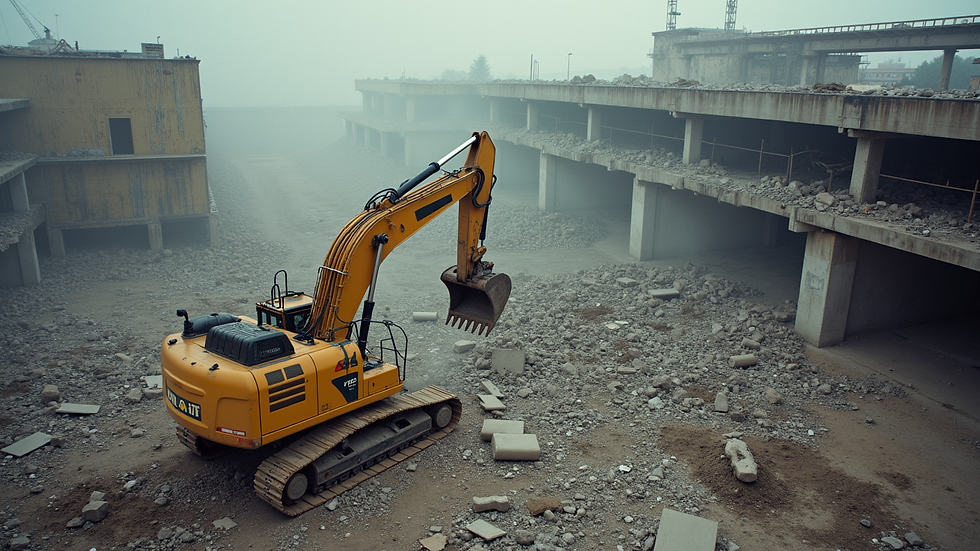
Mechanical Demolition: Heavy machinery, such as excavators and bulldozers, is used to dismantle structures. This method is effective for larger buildings and is often quicker than manual methods.
Non-Controlled Demolition
Non-controlled demolition is less structured and typically involves the use of heavy machinery to tear down buildings without the same level of planning. This method is often used for smaller structures or in areas where there are fewer safety concerns. Techniques include:
Wrecking Ball: A large steel ball is swung from a crane to demolish buildings. This method is less common today due to safety concerns and noise.
Hydraulic Excavators: These machines are equipped with specialized attachments to break down structures. They are versatile and can be used in various demolition scenarios.
Importance of Demolition Services
Demolition services are vital for several reasons:
Safety: Proper demolition ensures that structures are taken down safely, reducing the risk of accidents and injuries.
Site Preparation: Clearing a site of old structures is essential for new construction. It allows for proper planning and execution of new projects.
Environmental Considerations: Responsible demolition practices can help recycle materials and minimize waste, contributing to sustainable construction efforts.
Regulatory Compliance: Many areas have strict regulations regarding demolition. Professional services ensure compliance with local laws and safety standards.
The Demolition Process
Understanding the demolition process can help you appreciate the complexity and importance of these services. Here’s a step-by-step breakdown:
1. Site Assessment
Before any demolition work begins, a thorough site assessment is conducted. This includes:
Evaluating the structure's condition
Identifying hazardous materials (e.g., asbestos, lead)
Assessing the surrounding environment and potential risks
2. Planning and Permits
Once the assessment is complete, a detailed demolition plan is developed. This plan outlines:
The methods to be used
Safety measures
Waste disposal strategies
Permits are also obtained from local authorities to ensure compliance with regulations.
3. Preparation
Preparation involves:
Disconnecting utilities (water, electricity, gas)
Setting up safety barriers and signage
Informing nearby residents and businesses about the upcoming work
4. Demolition Execution
The actual demolition is carried out according to the plan. Safety is the top priority during this phase, with workers wearing protective gear and following established protocols.
5. Site Cleanup
After demolition, the site must be cleaned and cleared of debris. This may involve:
Sorting materials for recycling
Properly disposing of hazardous waste
Preparing the site for future construction
Choosing the Right Demolition Service
Selecting a demolition service provider is a critical step in ensuring a successful project. Here are some factors to consider:
Experience and Expertise
Look for a company with a proven track record in demolition services. Experienced professionals will have the knowledge to handle various types of projects and navigate potential challenges.
Safety Record
Safety should be a top priority. Review the company’s safety record and ask about their safety protocols and training programs for workers.
Equipment and Technology
Modern demolition requires advanced equipment and technology. Ensure the company uses up-to-date machinery and techniques to improve efficiency and safety.
Environmental Responsibility
Choose a demolition service that prioritizes environmental sustainability. This includes recycling materials and following proper waste disposal practices.
Customer Reviews and References
Check customer reviews and ask for references to gauge the company’s reputation. Positive feedback from previous clients can provide insight into their reliability and quality of work.
Common Challenges in Demolition
Demolition projects can encounter various challenges. Being aware of these can help you prepare and mitigate risks:
Hazardous Materials
Older buildings may contain hazardous materials like asbestos or lead paint. Proper identification and removal of these materials are crucial for safety.
Structural Integrity
In some cases, the structural integrity of adjacent buildings may be at risk during demolition. Careful planning and execution are necessary to prevent damage.
Weather Conditions
Adverse weather can impact demolition schedules and safety. Companies should have contingency plans in place to address weather-related delays.
Community Concerns
Demolition can generate noise, dust, and traffic disruptions. Communicating with the community and providing advance notice can help alleviate concerns.
Conclusion
Demolition services are essential for safe site preparation, enabling new construction and renovation projects to proceed smoothly. By understanding the types of demolition services available, the importance of proper planning, and the challenges that may arise, you can make informed decisions for your project.
When selecting a demolition service, prioritize experience, safety, and environmental responsibility. With the right team in place, you can ensure a successful demolition process that lays the groundwork for your future construction endeavors.
Take the next step in your project by researching local demolition services and scheduling consultations to discuss your specific needs.

Comments